
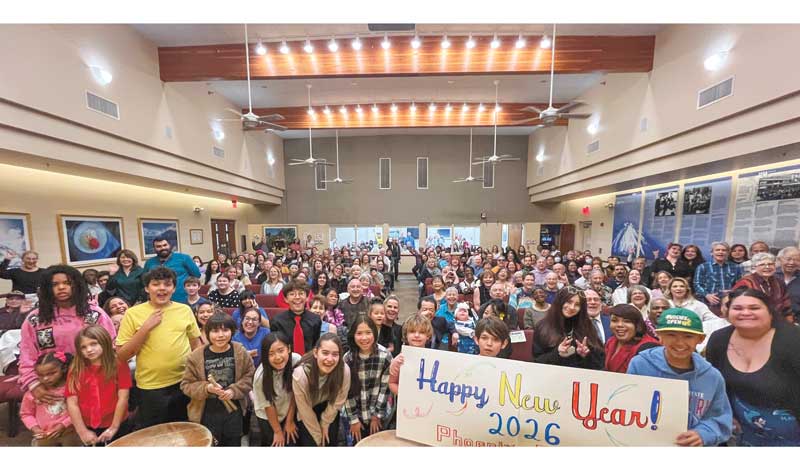
by the Southwest Zone team
What is your zone motto? Southwest Zone—Valley of the Sun, Valley of United Hearts.
Tell us briefly about your zone’s history. Japanese pioneer members began practicing Buddhism on military bases across the Southwest in the 1960s. According to early accounts, today’s Southwest Zone—covering Arizona, New Mexico and El Paso, Texas—took shape in the 1970s. Membership expanded rapidly in the 1980s, when the area was known as Arizona Territory, with headquarters in Phoenix, Tucson, Albuquerque and El Paso.
When three territories were later established in the U.S., Southwest Zone formally became part of Central Territory in 2007. Today, it belongs to West Territory.
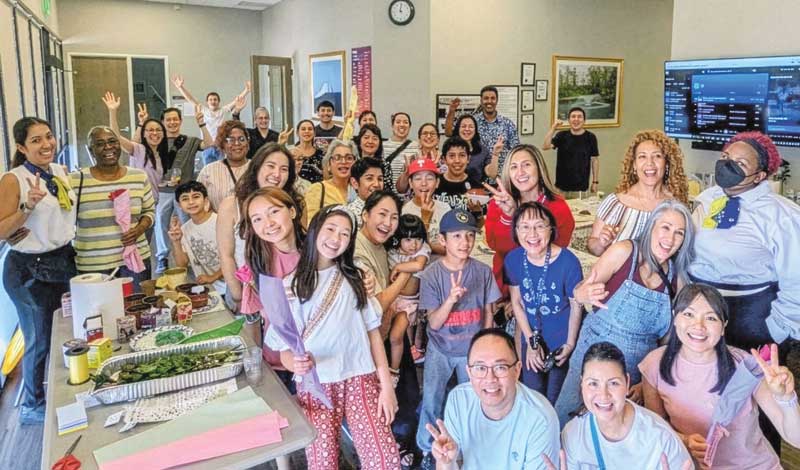
Do you have Buddhist centers in your zone? We have three centers in Arizona—Phoenix, Chandler and Tucson—as well as another in El Paso, Texas.
Does your zone have a particular point of pride? We are especially proud of our future division members. Our Soka Family Day activities create joyful, welcoming spaces for children and parents and have become a source of hope for the entire zone. These young people are our treasures for the future of kosen-rufu, and we are determined to care for and support them wholeheartedly.
Since the late 1990s, we have also built strong ties with the Arizona Interfaith Movement, fostering genuine friendship and trust through ongoing participation in one another’s events.
In New Mexico—the site of the Trinity Test, where the first atomic bomb was developed and tested during World War II—we work closely with local communities impacted by that nuclear history. For several years, we have helped organize an annual “World Without Nuclear Weapons” interfaith event, advancing the dream of second Soka Gakkai President Josei Toda to abolish nuclear weapons.
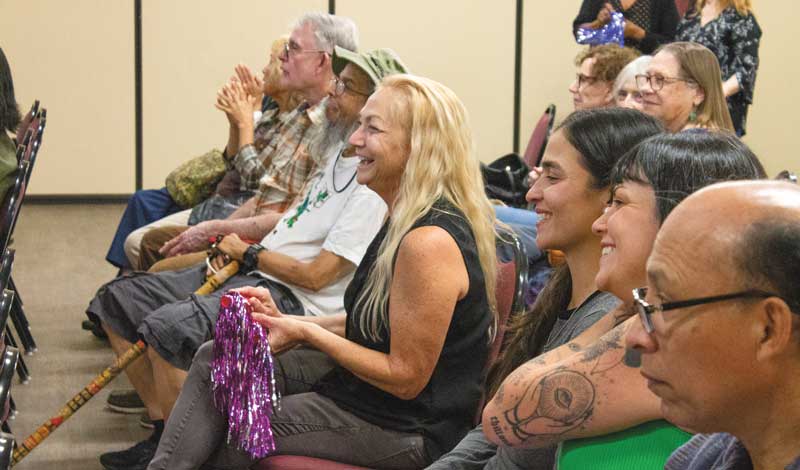
What is your prime point with Ikeda Sensei as a zone? On June 29, 1996, Sensei stopped in El Paso while returning to Los Angeles from Central America, as his plane refueled. During this brief visit, he warmly encouraged local representatives and composed a poem, “To the Great Pioneers of Kosen-rufu of El Paso,” prior to landing.
Though his stay was short, his encouragement left a lasting impact on members throughout the entire Southwest Zone.
In the poem, he wrote:
In a land of vast distances
you have prayed with all your heart
taken action with all your being
spoken with all your life
and you have won
your victory undisputed[1]
In 2026, we will celebrate the 30th anniversary of Sensei’s visit.
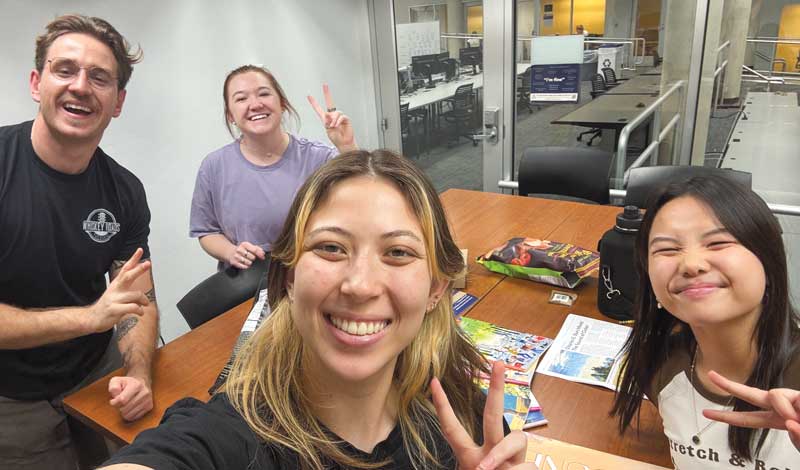
Do you have something that is unique to your zone? The Southwest is rich in both culture and landscape. It is home to the largest Native American reservation in the United States, the Navajo Nation, whose traditions and natural beauty inspire people from around the world.
Located just north of the Mexican border, the region is also deeply influenced by Mexican and Spanish culture, traditions and cuisine. Our membership reflects this diversity, including Native American families, immigrants and multigenerational communities.
At the same time, the area hosts many high-tech industries, with numerous members working as engineers and technicians. In the Southwest, our rich history and cutting-edge innovation coexist harmoniously.
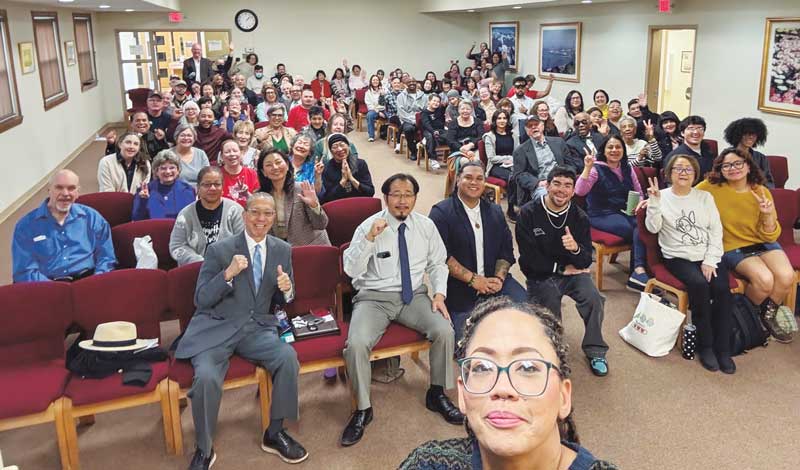
What is your zone’s vision toward 2030? Our vision is to empower each member to take one step forward together in raising younger successors in every aspect of kosen-rufu. By uniting people from all backgrounds, we aim to become a shining example of harmony and hope for future generations.
Anything else you’d like to add? Arizona and New Mexico enjoy more than 300 sunny days each year. In the same way, we strive to bring sunshine, warmth and Buddhahood to everyone we meet. As society grows colder and more divided, we are determined to spread bright hope throughout the Southwest.
February 13, 2026 World Tribune, p. 10
References
- My Dear Friends in America, third edition,pp. 484–85. ↩︎
You are reading {{ meterCount }} of {{ meterMax }} free premium articles