
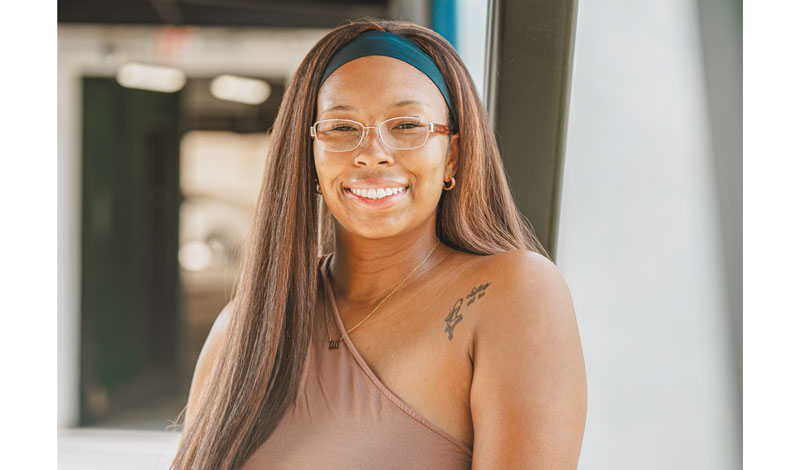
by Alexis Beard
Dallas
When I say that no breakup had ever hurt me this much, most will wonder what the romance involved. But in fact, I’m not talking about a romance at all—I’m talking about a friendship, pure and simple. There’s simply no way around that word “breakup”—no other way to describe how deeply it hurt. What else do you call the end of a friendship you can’t mention for two years without crying?
The friendship in question began online, in 2022, at the end of the pandemic. Most people, it seemed, were still working and socializing from home. We’d met, playing video games. Between games and after, we talked a bit, and soon we were talking a lot. It was when we started to meet in person that we began growing close very fast. Within a short time, I came to think of him as my brother, as family, and had every reason to believe he felt the same way. And then, on my birthday in spring of 2024, my “best friend” with one text cut me off. It was the worst birthday that I can remember, and it plunged me into despair.
From the very first time I ever read about Buddhism, in my senior year of college, I’d resonated with its approach to life. Every cloud, I’ve always said, has its silver lining; everything happens in life for a reason. I’ve believed this for as long as I’ve believed anything, and yet suddenly, I no longer knew how. What was there to learn from this kind of hurt? I felt only resentment, confusion and pain. Life, it seemed, was saying to me: Grow up! You’re too trusting, too kind. I decided I wouldn’t let someone hurt me that way again. For more than a year, I kept to myself, feeling too vulnerable to pursue any more friendships.
And then, at the tail end of 2025, I drove by the SGI-USA Dallas Buddhist Center. I’d actually reached out to the SGI once before, though years earlier and not in Dallas. At that time, I was living in Portland, Oregon, in a relationship that no longer felt warm. I began looking into local Buddhist groups and felt aligned with the values of the SGI. But the time, I believe, just wasn’t quite ripe—I wasn’t quite ready, and also, everything was online. This was toward the end of the pandemic, and ultimately, I didn’t connect. But as I pulled into the Dallas Buddhist Center, I felt certain that now was the time.
Behind the front desk, a gentleman greeted me with a smile, patiently answering my many questions. But we both agreed I had more than we could get to at once, and he invited me to come back that week for the monthly kosen-rufu gongyo meeting. That week, I did, a bit nervous on my own, but felt calmed right away by the sound of everyone chanting together. This time, the person at the front desk was a woman. After the meeting we spoke at length. She was only a bit startled when I burst into tears, which, you’ll remember, happened whenever I spoke of the friendship I’d lost.
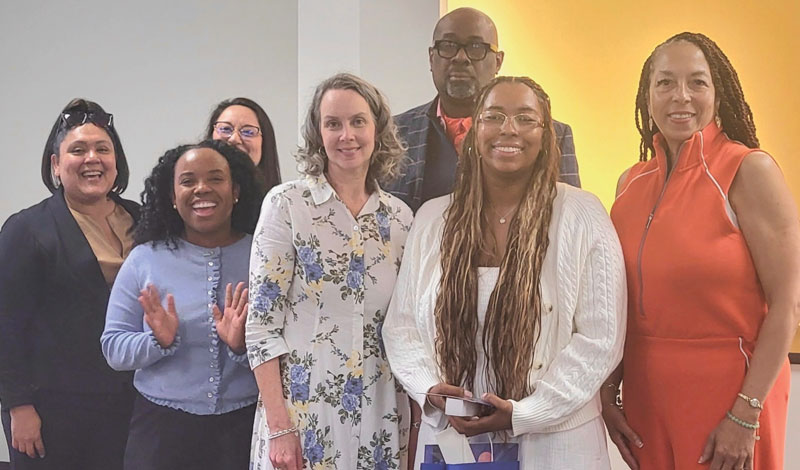
“What do you want?” she asked, and I was surprised by my response: I wanted to want peace for the people who’d hurt me—to be able to wish for their happiness and actually mean it. I realized then how much anger I’d been carrying around, how long it had been since I’d felt fully myself.
“You have a Buddhist’s heart,” she said simply, and I felt seen and affirmed.
A week later, I told the same to the local young women’s leader, who I could tell genuinely cared. “Just try, even a little, when you can,” she told me over our lunch. Once I began attending district activities, the members there said pretty much the same thing: “Even if you chant just three times in the mornings, you’ll feel the difference in time.” I really appreciated that there was no rush—that there was no particular way that I ought to feel now. But it was true—as I chanted, I felt my “life force” grow—I felt more confident, hopeful and at peace.
A breakthrough came early this spring—chanting, my heart felt open and light. I hadn’t felt so open in months, and I sensed that now was a good time to give that “impossible” prayer of mine a try. To my surprise, it came easily, and I found that I truly meant it. I kept chanting for a long time with that prayer—for the happiness of my exes and of my friend. After, I felt a way that I hadn’t expected to feel: grateful for what had happened. I mean, did it suck getting my heart broken? Yes, absolutely, it did. But did I regret that it happened or how it had happened? No, I didn’t at all. It had led me to Buddhism, to this community of genuine, heartfelt people, and it had enabled me to grasp more deeply who I actually am. I felt sure in that moment: I wasn’t wrong to trust people—that is my strength that I should never abandon. What I needed was to trust this part of myself. I had to respect and care for this part of me the way I would for a friend.
One month later, in May, I received the Gohonzon, exactly one month after my 30th birthday. It was such a different birthday than two years before, which I’d spent feeling empty and sad. This time was a celebration of who I’d become and was becoming, attended by the people who’d been cheering me on. The members of my district came, of course, and so did my parents, flying in from Virginia and Washington, D.C. Later that month, my parents and I went to Japan, and for the first time, I visited the Hall of the Great Vow for Kosen-rufu.
Strangely enough, just one month later, I got a text from an ex I hadn’t heard from in years. Five years, to be exact, had passed since we’d ended things on bad terms. I hadn’t expected to hear from him ever again. He said he was sorry for the way that he’d been, which I would have normally taken as an opportunity to give him a piece of my mind. But I didn’t feel the need to do that at all. I said, “Thank you, I hope you have a nice day.”
And then, just one month after that, I get another text from another ex-partner, also apologizing for the way that he’d been. What is happening? I wondered, texting him back: “Thank you, I hope you have a nice day.”
This year, I’ve decided, will be my year of intention—of choosing how and with whom I will live my best life. I’m looking forward especially to building more bonds at this October’s young women’s division conference at the Florida Nature Culture Center. I’m excited to deepen the friendships I have, with people who want to win alongside me.
You are reading {{ meterCount }} of {{ meterMax }} free premium articles