
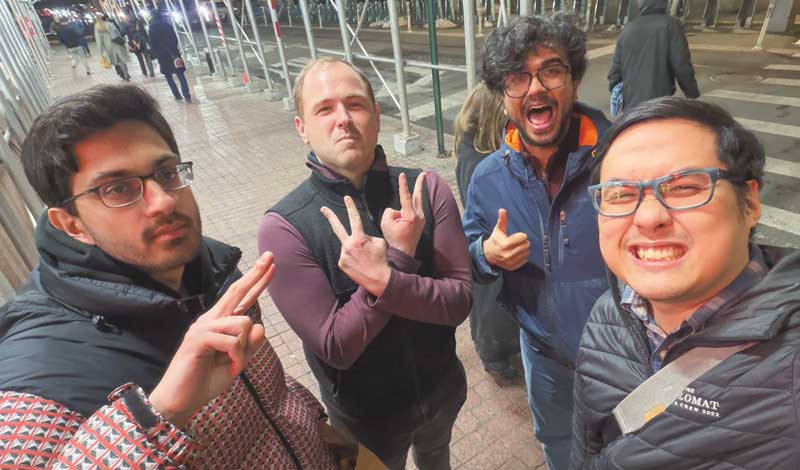
After becoming a men’s division member, Travis finds that introducing one youth to Buddhism begins with a personal determination and one sincere conversation.
Taking the Lead Through Faith

by Travis James
Murray Hill District Men’s Leader
New York
I began practicing Buddhism in 2013. When I first started chanting, it was simply to get through bad days. Over time, however, I gained real confidence in myself—not just as an actor but as a person. That confidence helped me strengthen my relationship with my dad before he passed away, support my mom through her cancer treatment and be there for my sister during difficult periods. At the same time, I was growing through taking on leadership in the young men’s division (YMD).
Still, my final year in the YMD was not easy. I struggled internally with doubt, depressive tendencies and questions about my career direction. Even as I achieved a major milestone—joining the theater actors union and auditioning regularly—I felt the weight of discouragement. But chanting taught me something crucial: My determination doesn’t disappear just because circumstances are difficult. If anything, it must be strengthened.
When I entered the men’s division and became a district leader in 2025, I felt a stronger sense of accountability. I wanted to show actual proof—not just talk about faith. I placed a sticky note on my altar that read: “Shakubuku One Youth in My District This Year!”
I didn’t know how it would happen, but I knew that introducing someone to Buddhism would be a cause for me to never give up on my own life.
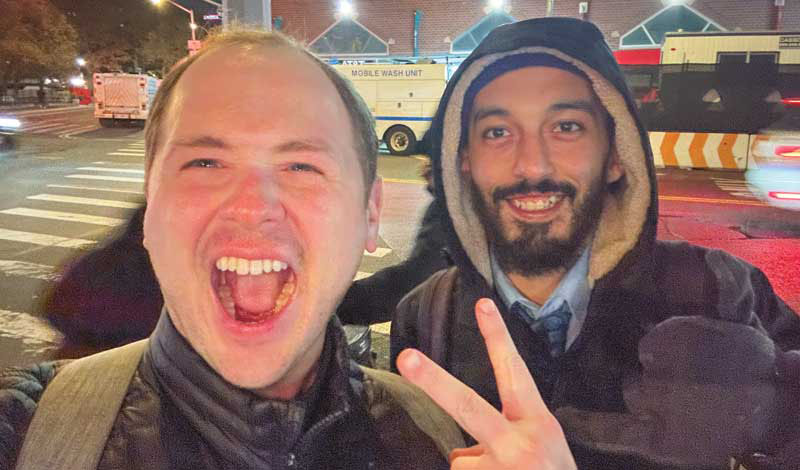
At the time, I was working a side job as a canvasser for charter school enrollment. The work environment wasn’t always positive, but instead of just enduring it, I determined to build genuine friendships. I chanted to meet someone who was truly seeking Buddhism.
One afternoon, while sitting in a park with two co-workers, we started talking about life and the state of the world. I mentioned that I practice Buddhism and shared a Nam-myoho-renge-kyo card with a QR code. One co-worker immediately showed interest. Our conversations deepened as we discussed philosophy, current events and even the idea that every person—even those we struggle with—has an inherent Buddha nature.
Three days later, I invited him to a discussion meeting. To my joy, he came.
Afterward, he told me he felt hopeful—that his life was beginning to move in the direction he wanted. Hearing that was powerful. This past November, he received the Gohonzon.
Supporting him transformed me. I was reminded that shakubuku isn’t about convincing someone. It’s about dialogue, prayer and believing in another person’s potential. By helping him take steps forward, I felt my own life expand.
That experience also clarified why I signed the “Commitment to Peace” pledge. When I look at society today, I see many young people who feel discouraged or uncertain about the future. I’ve felt that way myself. But I’ve learned that hope grows when we support one another. The more we encourage someone else, the more we elevate our own life condition.
In 2026, I am determined to continue challenging my acting career and secure professional representation. At the same time, I am committed to being a steady pillar for the young men in my district—the way men’s division members were pillars for me when I was in the youth division.
And once again, I am determined to shakubuku one new youth in my district this year. When someone awakens to their inherent Buddha nature, everything changes.
For me, one youth truly represents infinite hope. It begins with my own determination—reflected in having one sincere conversation at a time.
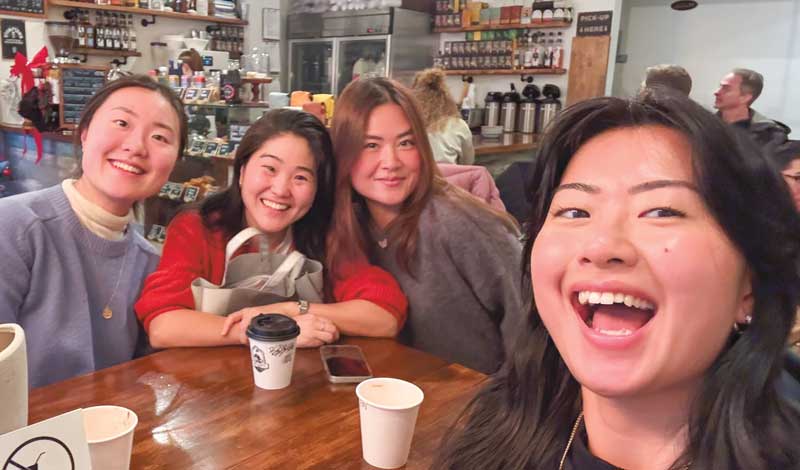
Ai transformed her doubts into determination by learning that “unity starts with me.”
Uniting for the Members’ Happiness
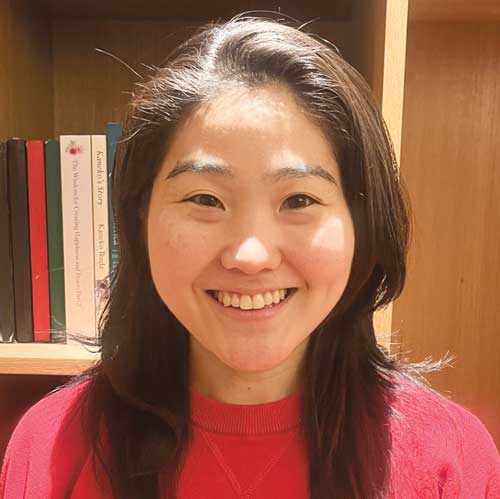
by Ai Nishino
River Run District Women’s Leader
New York
After graduating from college at 21, I became a high school teacher, and my classroom was chaotic. I couldn’t manage my students, my relationship wasn’t going well and I was struggling internally. I remember thinking, Is this how I’m going to live—just suffering? I wanted to change.
I grew up around Buddhism because of my parents, but this was the first time I chose to practice on my own. I began chanting seriously, attending every discussion meeting and supporting behind the scenes. Through this, my inner state began to transform; and my internal struggles gradually gave way to happiness and joy from within. The warmth of the SGI community and hearing members’ experiences filled me with hope. That’s when I knew I would stick with this practice.
In 2024, I entered the women’s division. It was the hardest time for me, as I was in a new district and a new division, with a new leadership role. I struggled to unite with my district team because I was filled with doubt and judgment. Even with guests at every meeting, including two youth receiving the Gohonzon, I felt internally disconnected.
I realized I wasn’t chanting sincerely for my district; I was focused on my struggles. That’s when I understood I needed to do my own human revolution. I began chanting seriously for the members’ happiness. Before, I thought it wasn’t my responsibility if meetings weren’t encouraging. But I realized: unity starts with me. When I shifted my prayer and took ownership, my heart began to change and so did the atmosphere of the district.
Through chanting for my members, I realized that without unity, there is no kosen-rufu—no movement for peace. One member told me, “We need peace in this society, and Buddhism is the answer.” And it deeply struck me. If we can’t unite in our district, how can we create unity in our community?
Honestly, I still had some doubts. With everything new in my life, part of me wanted to sit back. But through consistent chanting and home visits, I realized I have a mission as a district leader: the member’s happiness. I determined to unite with others around this mission. I decided to take responsibility for every member and every guest.
Chanting and taking action with this resolve, everything began to shift, starting within myself. I stopped complaining and began seeing each member’s potential. Instead of focusing only on numbers, I learned the importance of both quantity and quality. Through chanting, I realized everyone’s mission looks different, and that’s OK. What matters is members becoming happy. I asked myself how I could sincerely support each person without judgement.
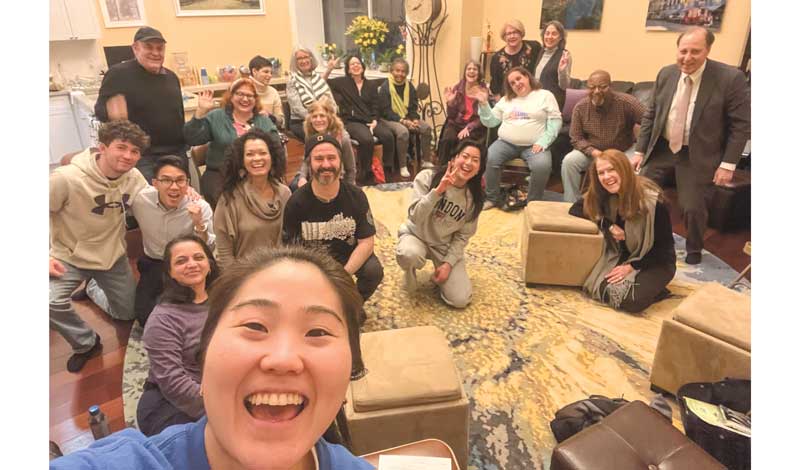
We strengthened communication and carefully planned our meetings: assigning who would support each member and who would go on home visits. Gradually, we became more united as we centered our actions on the members’ happiness. We even welcomed a new youth leader who also started a new job. Now, even when it snows, people show up because we feel like a district family.
I signed the peace pledge as my vow for kosen-rufu to Ikeda Sensei to ensure the members’ happiness.
I once thought passion for kosen-rufu had to look a certain way, but I’ve learned that everyone’s passion appears differently. Now I embrace my way of fighting and trust others’ sincerity.
My determination is for members not only to do shakubuku but to enjoy it. My goal is to have four youth in our district this year, and through signing the peace pledge, I feel united with the people and the Soka community. I’m reinvigorated to lead my district to fight even more vigorously toward 10,000 youth in 2028. I truly can’t wait to do youth shakubuku!
March 6, 2026 World Tribune, pp. 6–7
You are reading {{ meterCount }} of {{ meterMax }} free premium articles