
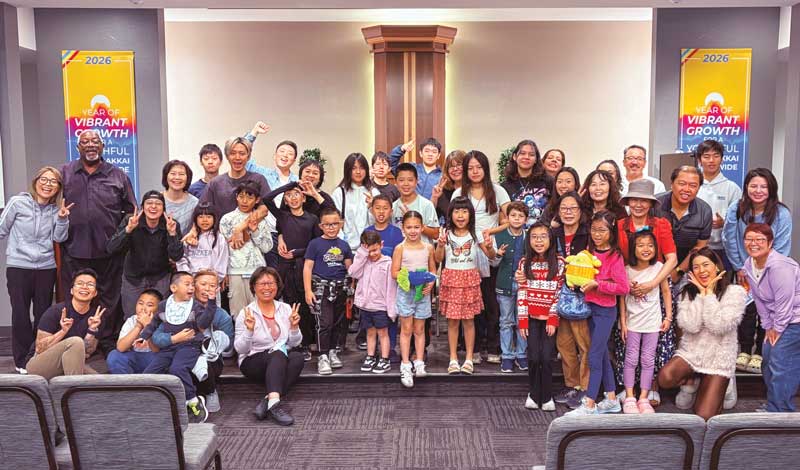
by the Southern California Mojave Zone team
What is your zone motto? ONE: One Youth. One with our mentor.
Tell us briefly about your zone’s history. Established in 2007 as Southern California North Zone, the area was renamed Southern California Mojave Zone in September 2022, marking a new chapter in its growth. Our zone geographically holds a special place in our organization’s history as the home of the first SGI-USA community center opened in 1963 in East Los Angeles—a cradle for countless pioneers who laid the foundation for Buddhism in the United States.
Do you have Buddhist centers in your zone? Yes, the members are supported by three Buddhist centers that serve as vital hubs across our broad four-state region: the SGI-USA El Monte Buddhist Center, the Riverside Buddhist Center and the Las Vegas Buddhist Center.
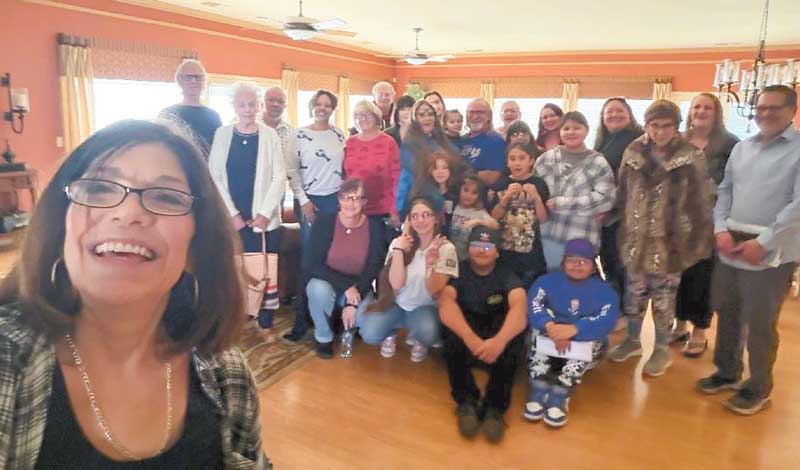
Does your zone have a particular point of pride? Many of the early pioneers of the American kosen-rufu movement fought and continue to fight in our zone.
Also, a point of pride is the visits Ikeda Sensei has made to our zone, which continue to inspire us:
• August 1965—East Los Angeles. Visited the first SGI-USA center in America, encouraging members during the earliest days of kosen-rufu in the United States.
• March 1966—East Los Angeles. Returned to the first center to further strengthen and inspire the growing membership.
• May 1967—Rancho Cucamonga (Etiwanda, California). Participated in a ceremony the day after arriving in Los Angeles and declared that the Soka Gakkai organization in America had entered a new era. During the gathering, he announced the formation of three headquarters—West Coast, East Coast and Hawaii—marking a decisive step forward for nationwide kosen-rufu.
• Jan. 29, 1993—Claremont McKenna College. Delivered the landmark lecture “In Search of New Principles of Integration,” later republished as “Radicalism Reconsidered.” This address remains one of only a small number of university lectures he gave in the United States and stands as a historic moment of dialogue and intellectual exchange.[1]
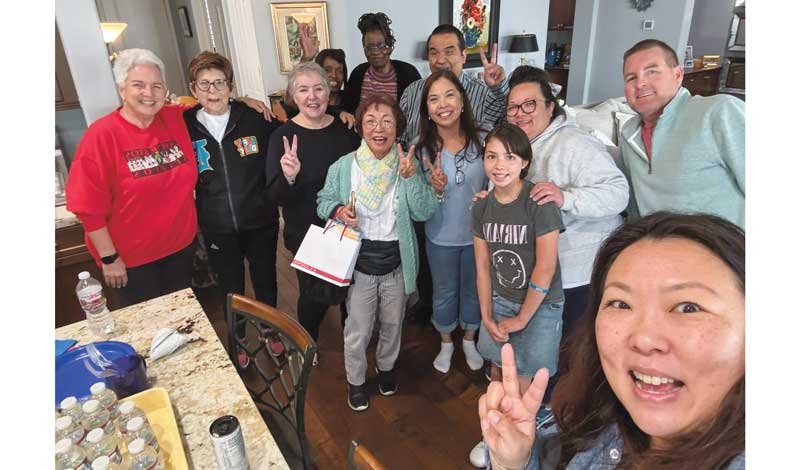
What is your prime point with Sensei as a zone? With the pioneering spirit inherited from the earliest members who laid the foundation for kosen-rufu, our first prime point is rooted in The New Human Revolution, volume 1, which reminds us to advance with the same fresh determination, unity and willingness to open new paths. We vow to carry on that original spirit of the early days in everything we do.
Our second prime point comes from Sensei’s heartfelt message to our zone on March 16, 2016, in which he encouraged us to advance brightly and victoriously by expanding our prayer, our state of life and our courage. By challenging ourselves to grow from within, we move forward brightly and create victory after victory for ourselves and others.
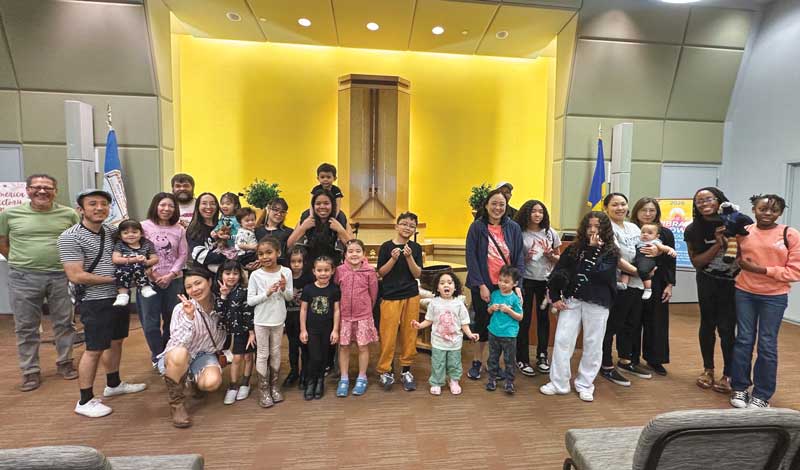
Do you have something that is unique to your zone? Stretching across four states—California, Nevada, Arizona and Utah—the zone unites members across vast deserts, mountain ranges and vibrant cities, advancing kosen-rufu throughout the Southwest with a bold frontier spirit.
What is your zone’s vision toward 2030? By 2030, the SoCal Mojave Zone aims to establish three new regions—one new region in Las Vegas, a new region in Palm Springs, California, and redefined regions in California’s San Gabriel Valley and Pomona Valley.
More importantly, we are determined to continue fostering a culture of genuine care, responding to Sensei by standing up for one another with a pioneering spirit and the bodhisattva vow, becoming a steady source of hope, courage and encouragement in every community.
Anything else you’d like to add? Our zone is also home to Las Vegas where the deadliest mass shooting by a lone gunman in American history occurred. Our continued efforts to create peace and share this practice with others—especially youth—is the direct response our country needs. Becoming the epicenter of hope, friendship and care, we determine to awaken the forces of the Bodhisattvas of the Earth exponentially!
February 20, 2026 World Tribune, p. 10
References
- Ikeda Sensei’s speech at Claremont McKenna Jan. 29, 1993 “In Search of New Principles of Integration” was later republished under the title “Radicalism Reconsidered.” It can be found in the March 2024, Living Buddhism, pp. 26–31. ↩︎
You are reading {{ meterCount }} of {{ meterMax }} free premium articles