
West to Life
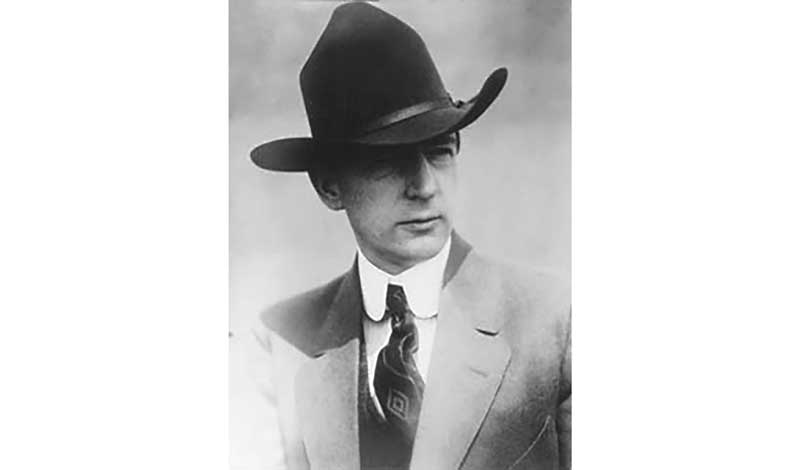
Born in Fresno, California, Maynard Dixon (1875–1946)—often called “The Last Cowboy in San Francisco”—was an American painter known for his depictions of the western United States. The nickname reflects the way Dixon carried the spirit of the West with cowboys, deserts and vast landscapes into a time when the Old West was fading. Even while living in San Francisco, where he worked as an illustrator, he remained deeply connected to Western life and the landscapes he loved. In this sense, he was like a “cowboy” in the city: someone who brought the authenticity and adventurous spirit of the West into modern urban life.
As a child, Dixon struggled with asthma, which limited his ability to play outdoors. Drawing became both a comfort and a way for him to explore the world. At age 18, he moved to San Francisco to study art at the Mark Hopkins Institute of Art (now the San Francisco Art Institute). He quickly realized that traditional schooling could not give him the practical experience that he wanted, so he left after just three months to pursue work as an illustrator. Over the next few years, he illustrated for publications such as the San Francisco Morning Call and The Examiner, polishing his artistic skills while capturing scenes of Western life and everyday people.
The 1906 San Francisco earthquake destroyed Dixon’s studio, prompting a move to New York City the following year, where he continued working as a magazine illustrator. By the age of 34, he traveled to Idaho and Montana, sketching cowboys and landscapes, and deepening his connection to the American West. At 37, he returned to California, gradually shifting from illustration toward painting full time.
Dixon often visited Palm Springs, California, drawn to its untouched desert scenery. He sought to capture the raw, unpolished beauty of nature and the lives of its inhabitants. His paintings emphasized the quiet power of the landscape rather than idealized versions of it.
Over his career, Dixon received numerous awards, including a bronze medal at the Panama-Pacific International Exposition (1915), the Harold L. Mack Popular Prize (1931) and the Henry W. Ranger Prize (1932). His work has been featured in major exhibitions, including “Maynard Dixon: Searching for a Home”(2022–23) at the Brigham Young University Museum of Art, showcasing one of the largest collections of his paintings and poetry.
Dixon’s art captured the desert landscapes and everyday life of the West, preserving a disappearing way of life while carrying their spirit forward through time.
—Prepared by the World Tribune staff
You are reading {{ meterCount }} of {{ meterMax }} free premium articles