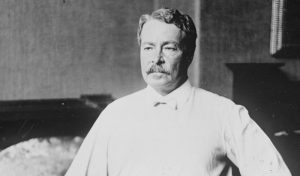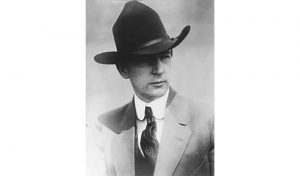
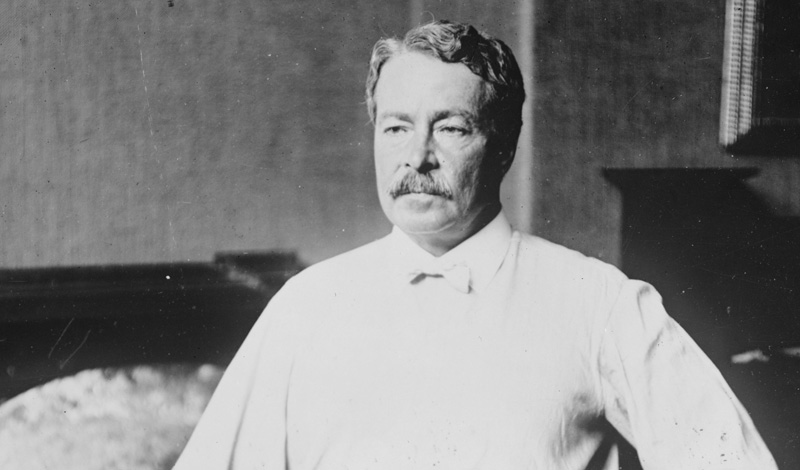
Waking up early in the morning to sketch gardens in delicate sunlight, and later turning these quiet moments into radiant color, Frederick Childe Hassam developed a lifelong fascination with light that would shape his art. Born in Boston in 1859, Hassam grew into one of the leading figures of American Impressionism through his atmospheric scenes.
As a child, Hassam showed a strong passion for drawing and painting, often observing how sunlight changed the appearance of familiar surroundings. His early years in Boston played an important role in shaping his artistic vision. During high school, he left midway through the academic year to help support his family, but he continued studying art by attending night classes to practice drawing.
When he was 22 years old, Hassam opened his own studio and began working as a magazine illustrator creating images for children’s stories. During this time, he began using the name “Childe Hassam” dropping his first name, “Frederick” after his friend suggested that it would be easier for people to remember.
At 27, Hassam traveled to Paris to study painting and refined his Impressionist techniques. While in Europe, he expanded his artistic skills, especially in watercolor painting. After returning to the U.S., he settled in New York and helped advance Impressionistic art in America by combining French painting techniques with scenes of modern urban life.
One of his well-known works, “Mount Vernon Street, Boston” shows a quiet residential street in Beacon Hill with the golden dome of the Massachusetts State House—built in 1798 and one of the city’s most recognizable historic landmarks—visible in the distance. As a member of The Ten American Painters, Hassam also supported artistic independence and helped establish modern American painting.
Later in his career, he created the famous Flag series during WWI, which portrayed streets filled with American flags. These paintings were later part of the White House Collection of American Crafts, demonstrating their national significance. Hassam also gained recognition at the 1915 Panama Pacific International Exposition, where his paintings represented the achievements of American Impressionism.
Through his dedication to the never-ending study of art, Hassam turned everyday moments into luminous scenes filled with movement, color and light. He says, “I am never tired of observing [people] in everyday life. … Humanity in motion is a constant study to me.”[1]
—Prepared by the World Tribune staff
March 13, 2026 World Tribune, p. 12
References
- https://artsandculture.google.com/asset/rainy-day-boston-childe-hassam/bAEMrsNyTqHOIA?hl=en <accessed on March 4, 2026>. ↩︎
You are reading {{ meterCount }} of {{ meterMax }} free premium articles