
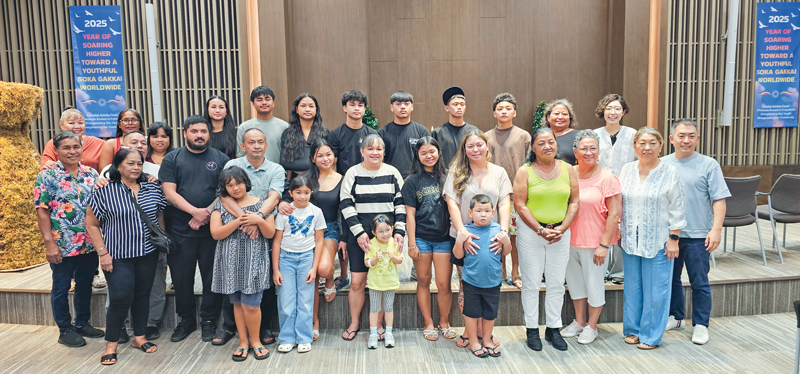
SGI-USA General Director Adin Strauss talks about the significance of the chapter kickoff meetings and the spirit with which to advance in 2026.
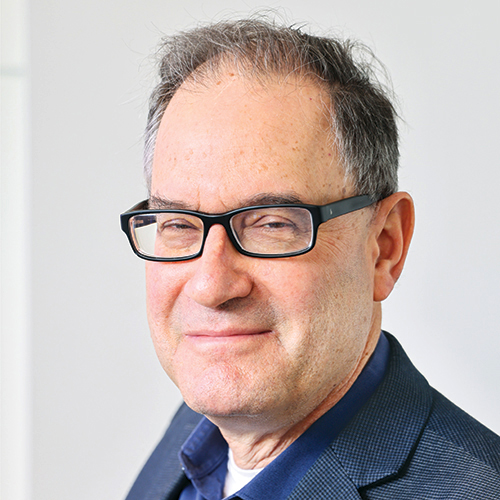
Living Buddhism: This month, chapters across the SGI-USA will be gathering for chapter kickoff meetings. Can you talk about the significance and role of the chapter?
Adin Strauss: It was as a chapter leader in the Kamata area of Tokyo that the young Ikeda Sensei, responding to his mentor, second Soka Gakkai President Josei Toda, created victory and forward motion in our kosen-rufu movement, inspiring members of the chapter to take action locally with full responsibility for kosen-rufu in their local area.
Chapters represent communities or “provinces” where the mission of propagating Buddhism is entrusted to the people who live there. Nichiren Daishonin’s words, “I entrust you with the propagation of Buddhism in your province” (“The Properties of Rice,” The Writings of Nichiren Daishonin, vol. 1, p. 1117) are embodied on the chapter level.
When I moved to Los Angeles 20 years ago, I was appointed as a chapter leader in a large, very specific geography in L.A., full of mountains and winding roads. I had just gotten a driver’s license, and it could be challenging just to visit a single member! But supporting and getting to know the members there was incredibly joyful, and I felt deeply that we were united in our mission.
That’s wonderful. What is the purpose of the chapter kickoff meetings, and what spirit should we have toward them?
Adin: We have all been entrusted with a profound task: to spark a fundamental transformation in the destiny of our society by introducing to our Buddhist practice 10,000 youth, embracing and raising them by January 2028 when we celebrate Sensei’s 100th birthday. It would be fantastic to have everyone—every member of our community—feel themselves to be a protagonist, a creator of this moment, and take action accordingly.
Success will be determined by the united, firm prayer and dynamic efforts of each chapter team, doing consistent home visits and strengthening relationships with the members. It’s important that we don’t just send an email reminder and see who shows up. It must be a sincere effort to meet people face-to-face, ask how they are doing, give them warm encouragement and determine together to break through in the coming year.
My sincere hope is that the kickoff meetings are filled with joy, benefit and energy because they are the result of all these heartfelt efforts. In this way, we can build momentum to advance kosen-rufu in each of our “provinces” in 2026.
At the start of the year, is there anything that you would like the members to keep in mind?
Adin: We practice Buddhism for two reasons: to transform our karma and to realize kosen-rufu. While not neglecting for a moment the importance of having clear personal goals—in fact, emphasizing the importance of having clear goals, which gets us out of bed each morning to chant—I hope all of us can deeply grasp the role that we have to do shakubuku to transform society.
I hope everyone feels confident that their efforts to share Buddhism, to encourage one person and chant daimoku are directly tied to transforming personal destinies and karma, whatever they may be, and the destiny of our society. These two aspects of practice are not separate.
Sensei reflects on the early days of our movement and how members awakened to their vow for kosen-rufu:
Not everyone was aware of their mission or understood the Daishonin’s teachings right from the very beginning. People threw themselves into their Buddhist practice because they were desperate to transform their personal karma of poverty, sickness, family discord or other problems. Over time, they came to pray for the happiness of others as well as their own, and to take action to benefit others and society.
While sharing joy and sufferings with their fellow members, they gradually awakened to their mission as Bodhisattvas of the Earth dedicated to kosen-rufu. They developed the awareness that they were members of the Soka Gakkai, an organization serving as the pillar of the country, the eyes of the world and the great ship of humankind. …
Nichiren Buddhism is a teaching that empowers people, helping them change from passively seeking relief from their own problems and sufferings to being able to offer support and encouragement to others, becoming the pillars, eyes and great ships of the world. (A Religion of Human Revolution, p. 41)
2026 will be that year when we all stand up with a profound sense of mission for kosen-rufu, while at the same time fulfilling our personal goals and demonstrating great actual proof of Nichiren Buddhism.

Awakening to Our Vow as Bodhisattvas of the Earth
Palm Valley Chapter
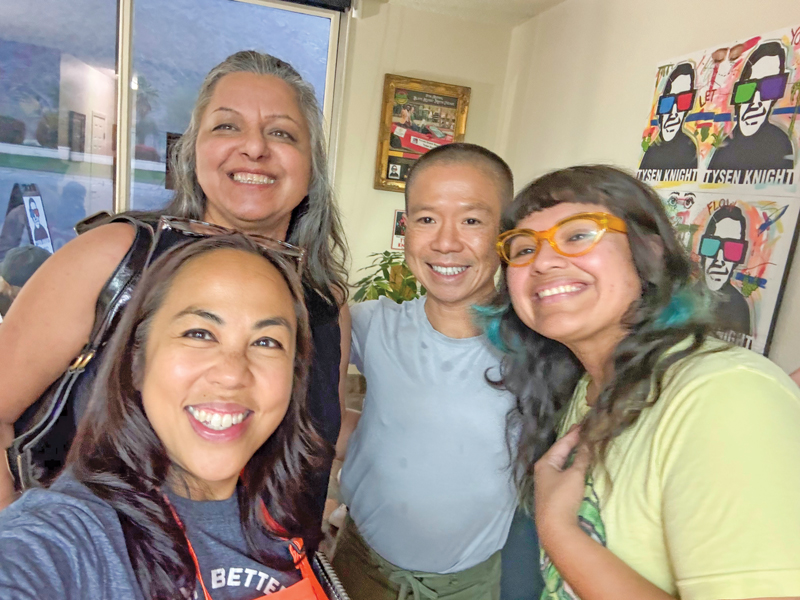
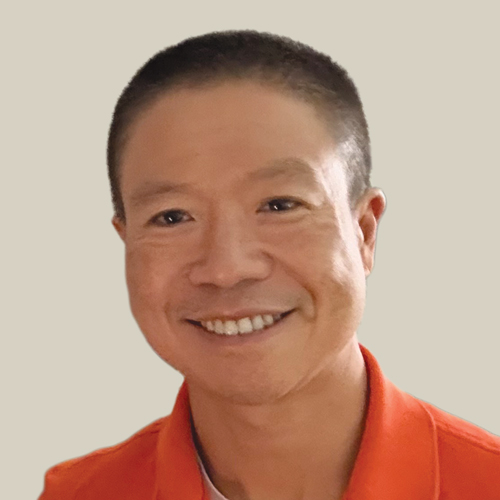
Living Buddhism speaks with Nichi Avina and Pak Lai, Palm Valley Chapter women’s and men’s leaders, about the momentum behind last year’s chapter kickoff, their expanding community efforts in 2025 and their shared determination to advance kosen-rufu throughout the Coachella Valley.
Living Buddhism: Your chapter covers a large area in the Coachella Valley. What is unique about the area in which you practice?
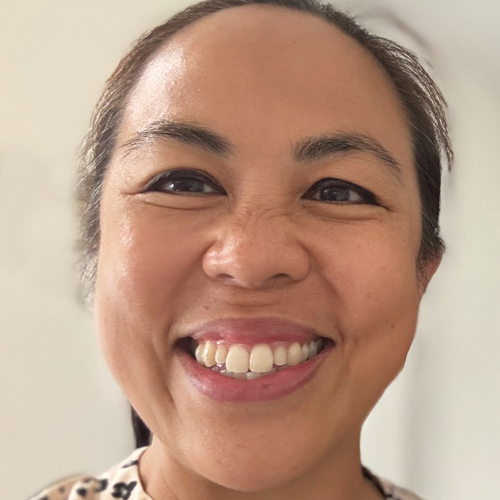
Nichi Avina: Our chapter spans primarily desert land, a place where many people retire and have a strong passion for kosen-rufu. Because of this, we deeply treasure every young person in our community.
One of the hallmarks of our chapter is that we chant a lot together! Every district holds one or more chanting sessions every month, and we also have a chapter chanting session, combined with an introduction to Buddhism meeting every month. Daimoku is what drives our chapter. When a member is struggling, we gather in front of the Gohonzon and chant powerfully for that person’s victory.
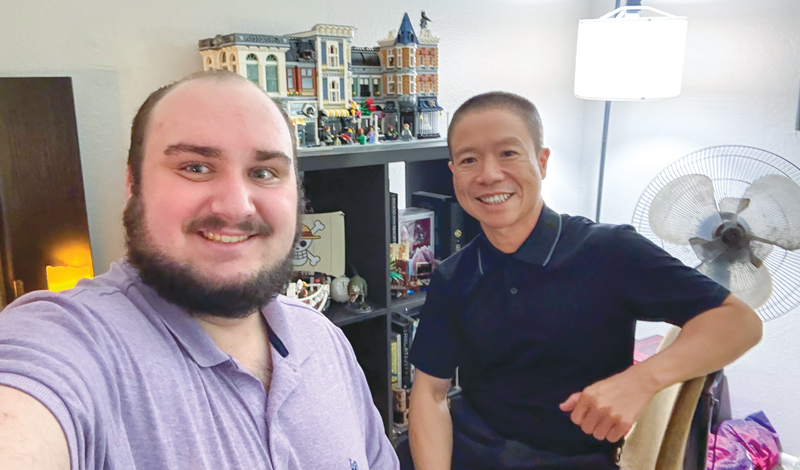
How did that culture take root?
Nichi: Both Pak and I were appointed as chapter leaders during the pandemic’s Zoom era. At the time, I think everyone was feeling so isolated. Although we couldn’t chant in person together, one of the things we started was chanting domei daimoku together (chanting at the same time, but from different locations). We made it a point to understand what each person was going through and prayed wholeheartedly for their victory. That process created deep bonds of faith.
Pak: On top of that, we try to do many home visits as a way to deepen our connections with each other. Calling people and doing home visitations have been key to building genuine relationships. The voice is so important.
Nichi: Pak will go anywhere for the members. Our chapter covers a large area, but the distance doesn’t bother him. He will go from one end to the other to encourage one person. He and I are very united as well. I was feeling down one day, and I called Pak, asking him to come chant with me. He came over right away and we chanted together. It made all the difference. I think the members feel that care too.
You had a wonderful turnout at your January Kickoff meeting in 2025. How did you prepare?
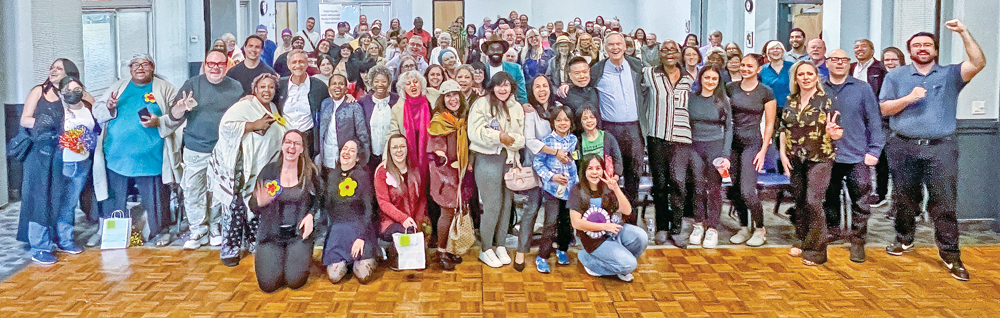
Pak: Since the reopening of the centers after COVID-19, many members had been traveling over an hour to the Riverside Buddhist Center for kosen-rufu gongyo. On average, I’d say 20 people were making the drive. But last January was the first time we opened our own community based rental facility to host our chapter kickoff. The members mobilized quickly, communication was consistent and the excitement spread across districts. In the end, about 135 people attended! The district leaders’ determination created a ripple effect.
Nichi: It truly only takes one person’s determination to transform everything. Last year’s meeting also came just after marking one year since Ikeda Sensei’s passing. Reflecting on the great hopes Sensei placed in us, as a chapter we made a shared goal for everyone to awaken to their identity as Bodhisattvas of the Earth. Personally, I chanted every spare moment for the success of that kickoff.
Have you had any notable achievements in 2025?
Nichi: We have had 11 people begin their practice (as of November 2025), and we’ve held numerous community events.
One of our members is a well-known local artist who opens his studio for youth activities, which attracts many young people. We’re also launching a campus club at College of the Desert. Four strong members attend the school, and they’re working through the application process to become an official club.
Pak: We also have a young Marine Corps officer stationed at the 29 Palms base who wants to start weekly intro-to-Buddhism meetings on base. And one of our group women’s leaders, who is a community leader, partnered with the organizer of the Joshua Tree Music Festival to host an intro-to-Buddhism session there last year—dozens of people learned about Nam-myoho-renge-kyo. We’re getting out into the community and sharing a philosophy of hope and empowerment throughout the valley.
What’s your goal and determination for the future?
Pak: The goal is kosen-rufu in the valley.
Nichi: To achieve that, we are determined to establish our own Buddhist center in the chapter that will serve as a true lighthouse for the community. By 2030, we want to have 500 active members and a vibrant youth division. Our vision is that by then, every person will fully step into their identity as a Bodhisattva of the Earth and engage in friendship-based shakubuku.
Pak: And wouldn’t it be wonderful if every active member also became a unit leader—supporting at least one other person, nurturing them in faith, practice and study? We want every member to receive that kind of support and care, and raise many more leaders in the process.
Nichi: We’ve welcomed many new people into our SGI community this year, but I still feel we haven’t reached our full stride. This upcoming chapter kickoff is where we will awaken every member toward 2030!
You are reading {{ meterCount }} of {{ meterMax }} free premium articles