
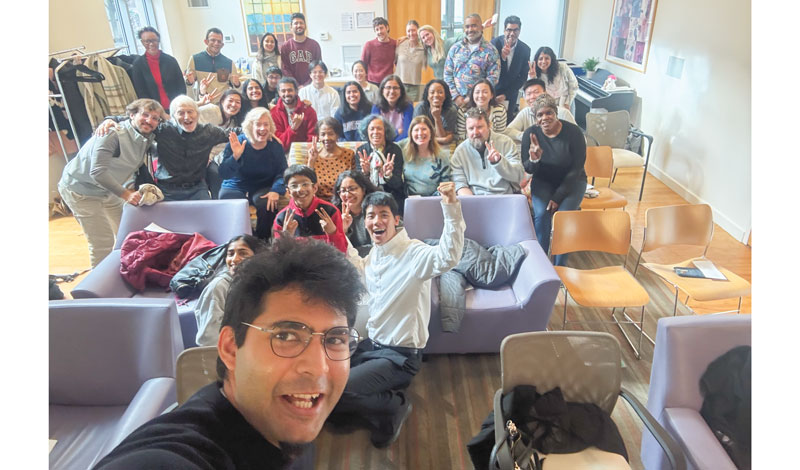
The World Tribune sat down with Howard Fang and Karishma Bhandarkar, Western Avenue-Light of the Charles (LOTC) District young men’s division and young women’s division leaders, to learn how their district united toward their November general meeting.
Beginning the Journey
Hi Howard and Karishma! Thank you for speaking with us about the amazing growth of your district. How did each of you begin your Buddhist practice?
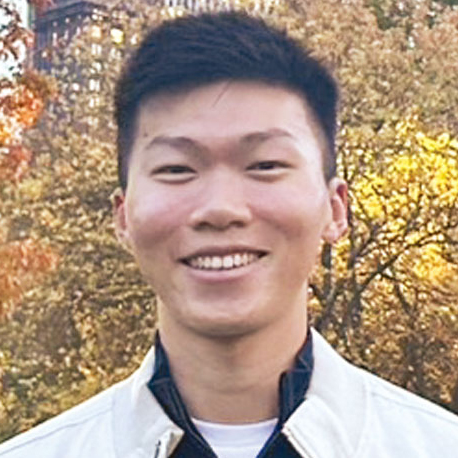
Howard Fang: My mother was introduced to Buddhism in Taiwan when I was 5. She met a postpartum caretaker who was an SGI member and who encouraged her to attend meetings. Growing up, I tagged along, but it wasn’t until I moved to the United States at 19 that I started my own practice. I began chanting regularly and connecting with fellow youth division members who were also striving to transform their lives and fulfill their dreams. I’ve been a part of Western Avenue-LOTC District for 11/2 years now.
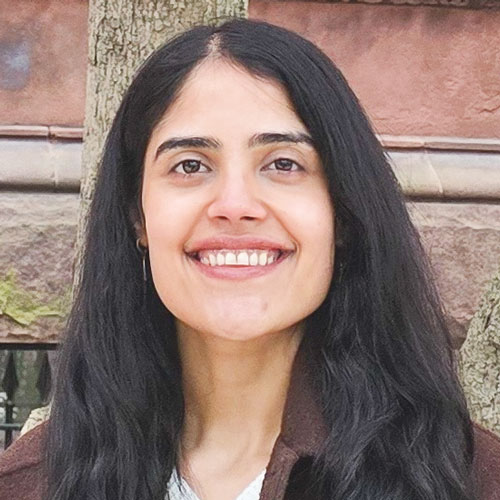
Karishma Bhandarkar: I was introduced to the practice through my mother as well. I began chanting around 8 years old, but back then, it mostly felt like something I did because I was told it was good for me. However, what really began to draw me to the practice were the discussion meetings. As a future division member, we would participate in different activities, and I made a lot of friends—many of whom are still in my life today.
But I didn’t develop a consistent, independent practice until much later. When I moved to the U.S. for my master’s program after the pandemic, I was facing visa stress, multiple moves and emotional uncertainty. One day on my commute, I saw the New England Buddhist Center, but it was closed. After several attempts, I met someone who told me about a kosen-rufu gongyo meeting happening the next day. From that moment, I felt like I had reconnected with a part of myself I had lost in all the chaos. Since last September, I have been a proud member of Western Avenue-LOTC District.
In the past several months, your district has been building momentum in terms of the number of people attending your discussion meetings and the youth who participate. What’s been the inspiration?
Howard: Two major factors: 1) unity across all divisions—our men and women are very united and supportive of the youth—and 2) consistent participation in planning meetings. Last year, our planning meetings had only around four or five people, but this year the energy shifted dramatically. Now we consistently see double-digit attendance. That alone improves communication, clarity and shared determination. When people feel their voice matters, they naturally begin to contribute to the larger mission.
Karishma: Yes. We created a district WhatsApp group chat so leaders can report home visits, share pictures, encourage one another and celebrate small victories. Every other Tuesday we meet as district leaders, and every Thursday the young women host a chanting session. Week after week, it builds genuine camaraderie. That rhythm of chanting together and reporting our struggles and victories creates a culture of openness and trust.
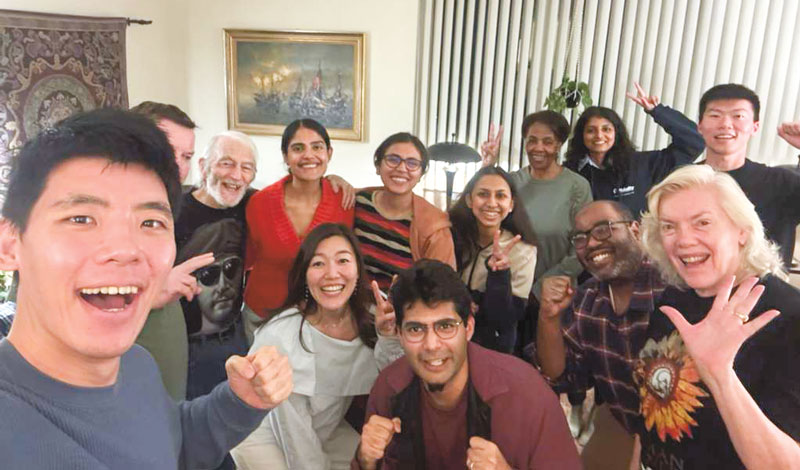
An Unprecedented Nov. 18 District General Meeting
That’s awesome. This leads to the recent success of your Nov. 18 commemorative meeting. Could you tell us more about it?
Howard: It was incredible. Usually, each group brings out 12 to 15 people. For November, we united both groups and set a clear district-wide goal to build youth momentum and invite guests. Because everyone—men, women, youth and future division—was chanting for the same goal, we gathered nine guests and almost 40 total attendees. The momentum was undeniable.
Karishma: We chanted specifically for each person on our list. Leaders shared who they were reaching out to, and we encouraged one another daily. More importantly, we provided follow-up care for returning guests. We didn’t just invite people—we checked in about what they were facing in life. In total, nine young women attended.
Howard: And seven young men.
Amazing. How about the meeting? What was it like?
Howard: We wanted to create a guest-friendly format.
Karishma: I feel our interactive approach made a huge difference. Guests weren’t just passively watching—they were participating. Members felt engaged, supported and connected to the heart of the practice, the members and Ikeda Sensei.
Howard: The agenda included: 1) chanting at a slower pace so new people could follow, 2) a conversational intro-to-Buddhism featuring Q&A with the attendees, 3) a study presentation using visuals and cultural references, relating them to Buddhist principles, 4) a dual experience—two young women shared how they united and supported each other in achieving their goals, 5) a presentation by returning guests where two young men briefly shared what they think of the practice so far, and 6) a cultural segment with singing accompanied by a guest playing piano.
Karishma: It was a joyful gathering of friends and community seeking Buddhism and Sensei’s spirit. And it all started with the youth uniting with the men and women. This is just the beginning. We are determined to continue this momentum!
There are many young people in our district’s neighborhood. We are determined to meet and introduce them to Buddhist practice and our Soka family.
You are reading {{ meterCount }} of {{ meterMax }} free premium articles